
Several DCU Connected events over the past week have kept Open Education staff and members of the NIDL team busy.
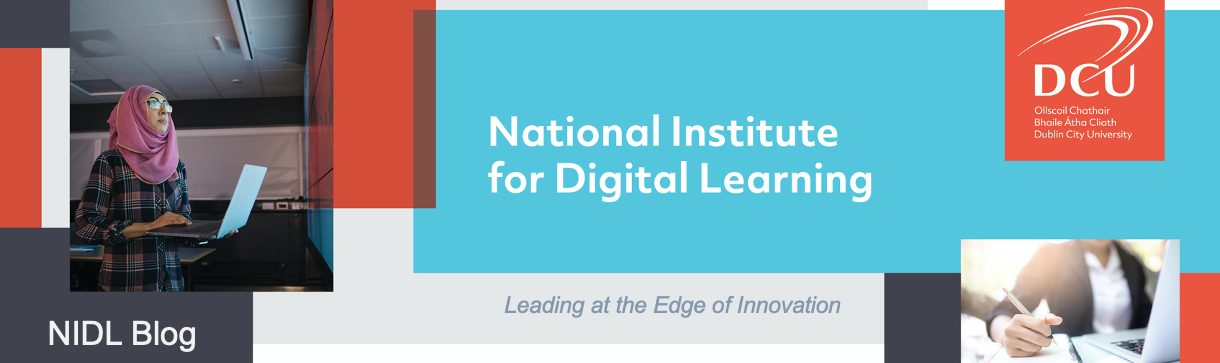
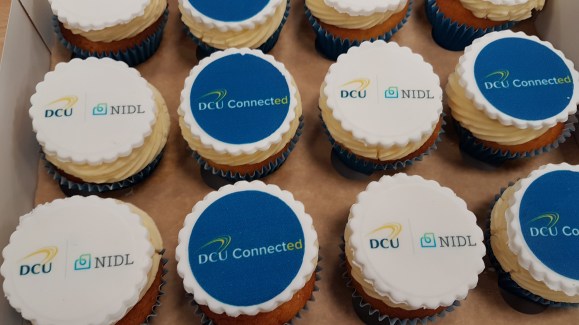
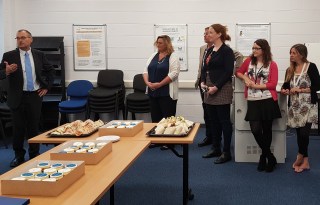 The week started on Monday 14th August with the launch of the new DCU Connected campaign, which was officially marked with Champagne glasses and a special batch of branded cupcakes. We were pleased so many colleagues and groups from across the University who contribute to DCU Connected could join us in this launch event. Supporting our online students is a real team effort.
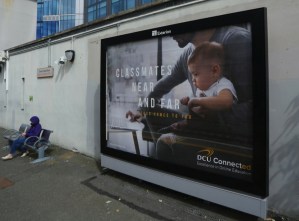
As the following images show our DCU Connected posters and billboards will be popping up around Ireland over the next few weeks. Our online students come from a wide diversity of backgrounds and the NIDL team takes considerable pride and satisfaction from the part we play in extending access to higher education to people throughout Ireland, and beyond.
We have over 30 years experience of online distance education and take our work very seriously as we understand the transformative potential of higher education. This is why the NIDL is heavily involved in professional bodies such as the European Association for Distance Teaching Universities (EADTU) and the International Council for Open and Distance Education (ICDE). Notably, six papers by NIDL staff on some of our innovations have recently been accepted for ICDE’s forthcoming World Conference on Online Learning in Toronto.
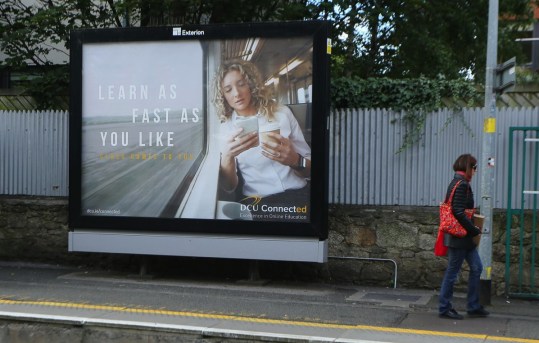
On a slightly less serious note, as part of this year’s DCU Connected campaign we are inviting people to send us a selfie with one of our posters in the background as we have another batch of our special cupcakes ordered to arrive in the next few weeks. The best selfies will go into a draw to win a box of cupcakes, which just like Class comes to you can be delivered to your door!
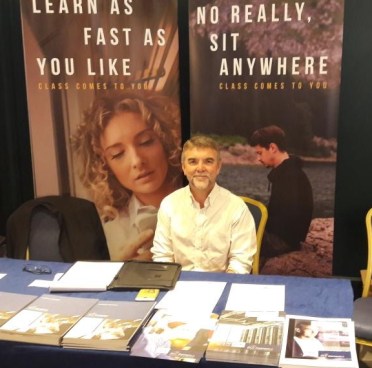
On Thursday last week we were pleased to see such a positive response from so many people to our first DCU Connected Open Evening. We really appreciate the opportunity to meet our prospective students in person and to help answer any questions they may have about studying through DCU Connected. Our next Open Event in Dublin is between 10:00am and 12:00pm on Saturday 26th August 2017.
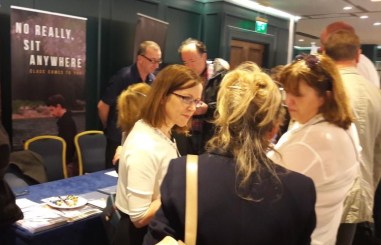
Last Saturday, there was also a large response to our display at the Springboard+ Information Day at Alexander Hotel in Dublin. Our team met with dozens of prospective students thinking of taking advantage of fully funded opportunities through Springboard+ to upskill, study online and complete a DCU qualification in an area of employment growth.
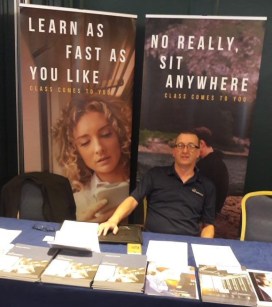 Speaking of fully funded opportunities, on Monday 24th August 2017 applications close for our 10 University of Sanctuary Scholarships for online study through DCU Connected and we are looking forward to sharing more information in due course about the successful candidates. This latest scholarship initiative for refugees and asylum seekers is further evidence of DCU’s strong commitment to transforming lives and societies through new and emerging models of higher education. Suffice to say we expect another busy week head of us in the countdown to the start of the new academic year.
 So, there are clear economic benefits to having a BA, but there are also personal and societal benefits, these are evident in the latest American
  Digital Learning Dispatches