Summer Update

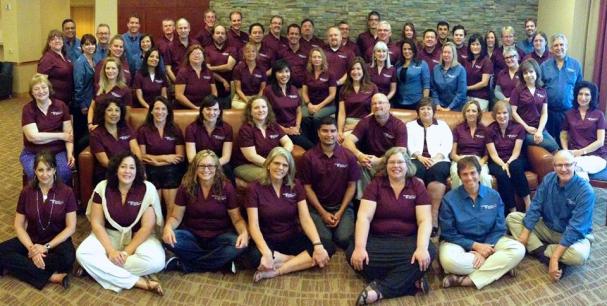
We took a short break from updating our blog over the summer months as many of our NIDL staff was away on annual leave. Having said that, we have been busy on a number of fronts with a range of activities over the last couple of months as indicated by the following brief highlights: General

  • We completed the refurbishment of our reception area
  • We welcomed Muireann O’Keeffe as a new staff member in the Teaching Enhancement Unit
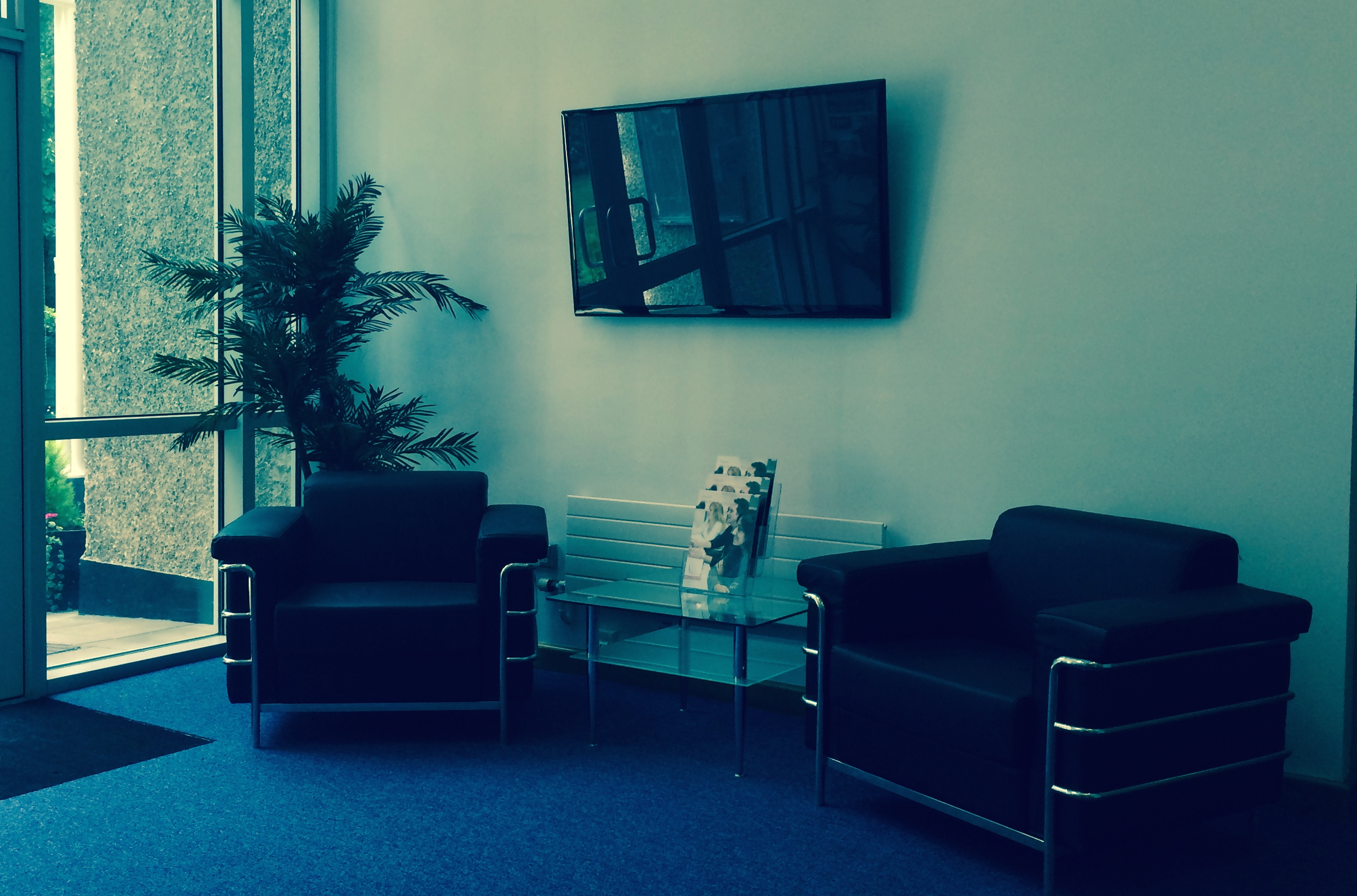
Receptions DCU Connected

  • Successful DCU Connected marketing campaign through radio, bus stops and electronic media
  • Double digit growth in number of confirmed registrations through DCU Connected with a significant increase in postgraduate students
  • Teaching began at both DCU and Arizona State University in the new online Masters in Biomedical Diagnostics with more than 30 students

Events and New Initiatives

  • Hosted a Hackfest Day in August
  • Open DCU Staff Forum in September to share new and forthcoming NIDL initiatives
  • Successful launch of Loop as the new overarching name for DCU’s new online learning environment.

Talks and Presentations

  • Presentations given to Governing Body and Academic Council on the work of NIDL
  • Dr Mark Glynn participated in two radio interviews on EduTalk
  • Keynote presentations given by Dr Mark Glynn at UK e-assessment conference and the Annual Conference for SQT Training,
  • Muireann O’Keeffe gave a keynote at the Symposium for Engineering Education in Manchester
  • Dr Pip Ferguson presented two conference papers
  • Director gave keynotes and presentations at the 3U N-Step Conference, University & College Teaching Conference, Birmingham, and Sloan (now rebranded Online) Learning Consortium Conference on Blended Learning in Denver
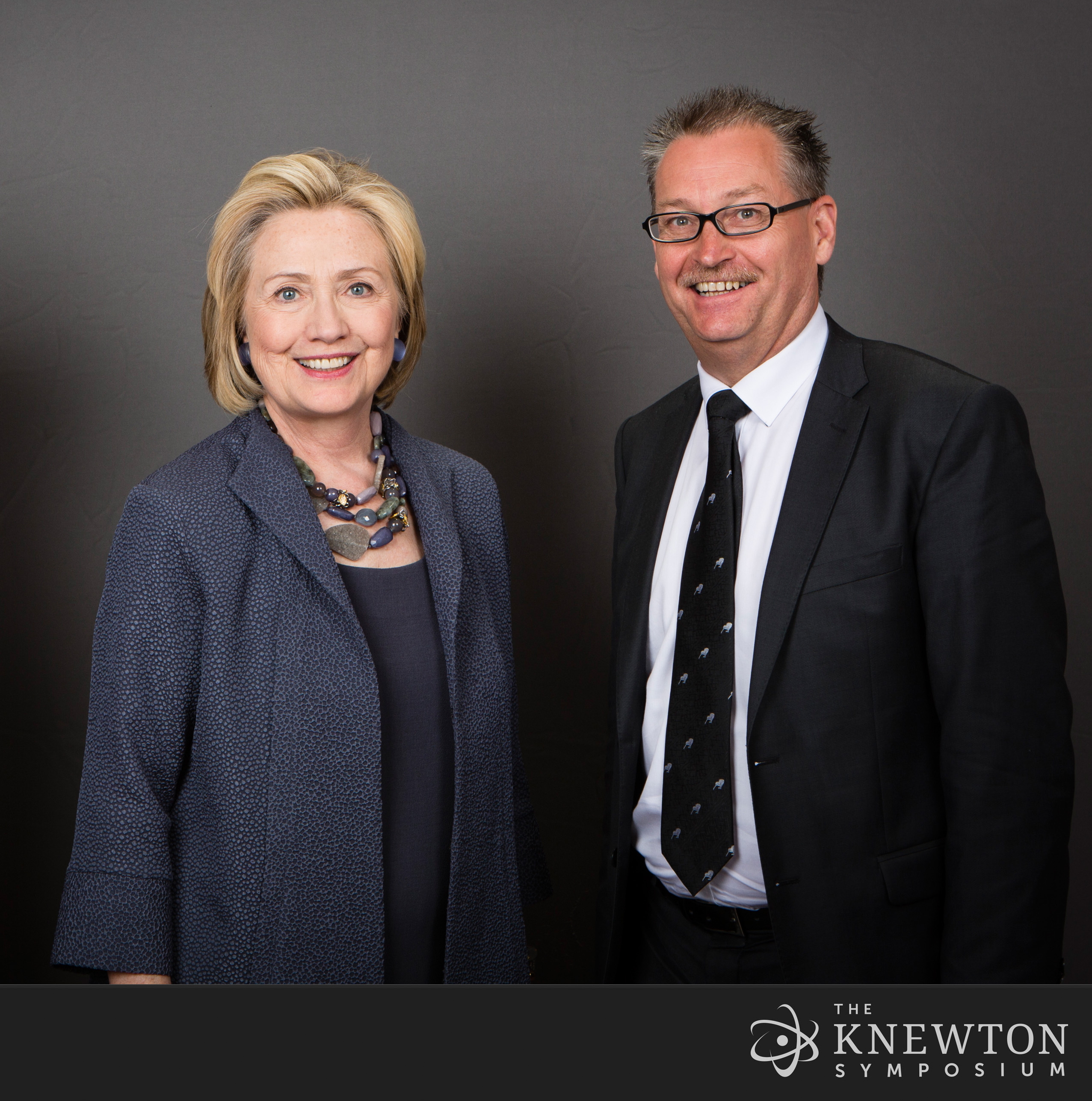
  • Director contributed to the Knewton Designing the Future Event in San Francisco which was attended by Hillary Clinton
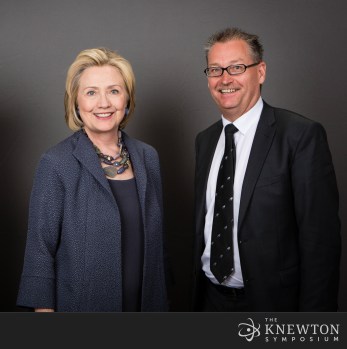
  • Hilary_Clinton

Research and Development

  • Success in winning EU funded project called “Support Centres for Open Education and MOOCS in different Regions of Europe 2020” (SCORE2020) with a total budget of €300k
  • Developed and submitted three funding proposals to the National Forum for the Enhancement of Teaching and Learning to support building digital capacity
  • Successful application to the National Forum’s National Seminar Series for Reaching the Stars Symposium
  • Member of the National Forum funded Virtual Learning Envrionment Student Survey Project
  • Director invited to join the Editorial Board for the Journal of Open, Flexible and Online Learning
  • Hosted an open networking event to share ideas with other institutions for applications to the fund for Building Digital Learning Capacity
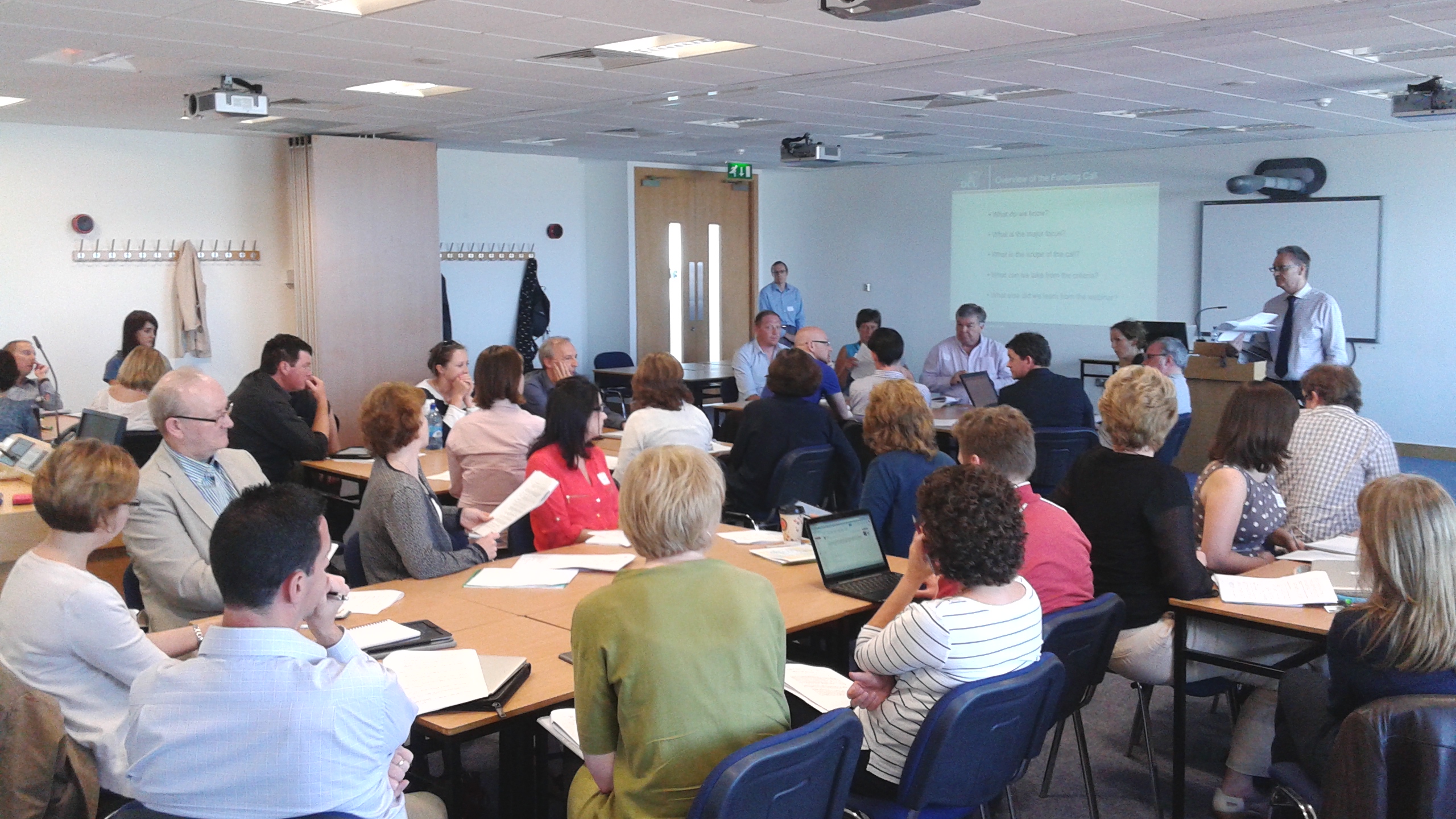
  • Networking Event

External Engagement

Brief Summary of Networking Event

The National Institute for Digital Learning (NIDL) hosted a Networking Event on Wednesday to discuss the Call for Proposals to the Teaching and Learning Enhancement Fund for Building Digital Capacity in Irish Higher Education. 47 participants attended the event from 17 different third level institutions. Billy Kelly, Dean of Teaching and Learning from Dublin City University, welcomed participants and then Professor Mark Brown explained the purpose of the event.

In his introductory comments, Mark drew on his previous New Zealand experience of several digital learning development projects to emphasise the importance of not leaving collaboration to chance. Mark also made it clear that the intent was to use this networking event as an opportunity to discuss ‘what’s right for Irish Higher Education as a whole, as distinct from what might be in the interests of a single institution’.

Networking Event

The first part of the event focused on better understanding the Call for Proposals. Some of the key points identified during the discussions from reviewing the written documentation included:

  •  Strong focus on collaboration
  • Strong focus on the enhancement theme of ‘teaching for transitions’
  • Value of a programme-based approach is emphasised
  • Role of assessment is emphasised
  • Importance placed on articulating a strong vision for building a digital learning culture (note bullet points under Section 2.2)

In reviewing the Actionable Steps, it was observed that Actionable Step 2 is essentially a call for funding for a clearly defined sub project. It was also noted from the response to questions on the website that the date for completion of this project has been extended (should read 30th June 2015).

It was pointed out that rightly all proposals are expected to have a lasting impact. While there is a section dedicated to impact in the online submission form a question arose how impact would be evaluated and whether the emphasis on lasting change was explicitly part of the selection criteria and scoring.

The strong focus on ‘teaching for transitions’ was once again identified in the criteria where it comes through in several places.

A number of other points noted during the discussion included the exclusion of overheads (see response to the relevant  FAQ on the website), how ethical issues may need to be considered in applications if students’ learning is potentially affected, and whether institutions with relatively immature strategies in the area (see Actionable Step A) could potentially be disadvantaged by criterion C.

In the second part of the event, staff from within the NIDL shared some of the potential projects they had already identified from preliminary discussions (see related slides for a list of these projects). Two of these initiatives were used as examples or case studies to see how they fitted the criteria. Participants were also invited to brainstorm and share their ideas for potential projects, and a diverse and interesting mix of initiatives was identified — ranging from MOOCs, developing e-textbooks, discipline-based OERs, online support tools for international students, and the promotion of digital literacy, to name a few.

The final part of the event considered the issue of finding suitable collaborative partners. There was an interesting suggestion put forward of using cloud technology as a solution to create a type of project exchange.

Based on the feedback and informal discussion that continued after the event most participants appeared to find the afternoon useful, and already there have been some follow up conversations about some of the ideas and potential collaborative projects. We welcome further feedback on the event and the opportunity to collaborate on submissions where projects align with our own interests.