We are delighted to announce our annual tutor awards for teaching excellence. Each year our online students supported by the Open Education Unit are asked to nominate the distance learning tutors who they believe display professional excellence in teaching and learning. We particularly encourage the nomination of tutors whose work over the year was exemplary and through whom students felt really valued as members of our unique DCU Connected experience.
This important award was created six years ago in order to highlight and recognise the dedication, professionalism and teaching excellence of the online distance learning academic teaching staff. The deserving recipients of the 2016-2017 DCU Connected Tutor Awards are listed below:
1. Undergraduate Humanities Programmes
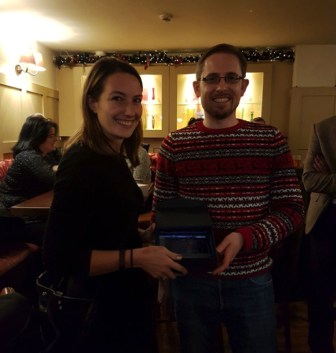 Megan Gaffney has been an online distance learning tutor, in psychology, in Dublin City University since 2007, and has also lectured in Trinity College Dublin and Hibernia College. Megan developed the Abnormal Psychology and Psychological Counselling module. Megan is a Registered Counselling Psychologist with the Psychological Society of Ireland, working with adolescents and adults in primary care and with secondary school students in the Kildare/Wicklow ETB. She is Chair of the Psychological Society of Ireland’s Division of Counselling Psychology and also a member of the PSI Council. Megan has published in the area of suicide prevention and postvention. She is currently completing a PhD in TCD, which is funded in part by the Irish Research Council, looking at risk factors and resilience in adolescents.
What students say about Megan…
“Excellent tutor with good assignment info and feedback”
“My favourite module this year and also the best tutor of this year!”
“Megan is a very supportive tutor who makes any subject easy to understand, this is the second module I’ve had her as a tutor.”
“Megan is an excellent tutor. Her professionalism is above par. She was a very engaging and extremely knowledgable tutor both face to face and online. Also, she was very timely in responding to loop questions and emails. “
“Megan was brilliant, content and quality of delivery was excellent. Provided me with some really good feedback on my assignments too.”
2. Undergraduate Information Technology Programmes
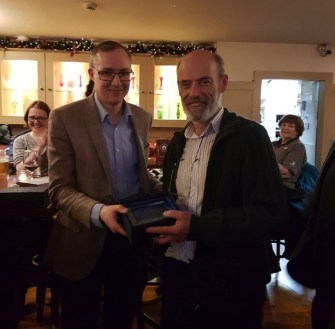 Adrian Redmond is a Central Statistics Office statistician who has been an online distance learning tutor, in Maths and Stats, in Dublin City University for over 15 years. Despite his subject being one students typically think they will find difficult, they end up loving it and being amazed at what they have learned, and what they now understand.
What students say about Adrian…
“Adrian Raymond is the best Math teacher I ever had!”
“The amount of effort that he puts into the online tutorials and answering questions in Loop is inspirational.”
“Despite this subject not being my forte Adrian Redmond managed to explain it in a very understandable way. He is quick to respond to queries, helpful and provides good feedback from assignments.”
“He was very clear and concise in explaining the module material. Without a shadow of a doubt, the tutor is the major strengths of this module. Adrian Redmond is so well prepared for the online lectures that nothing is left unexplained. His easy going manner and depth of knowledge on the module is inspiring and it somehow, subconsciously, wills you to do better.”
3. Postgraduate Programmes
John Byrne is a longstanding member of the postgraduate team. He is a willing and active member of the Programme Board, showing his dedication to continual improvement, and a mentor to new tutors.
 John is known for the way that he facilitates student learning with enthusiasm, dedication, creativity and considerable flair. He has been the “go to” tutor for over 14 years who, despite his part-time status, gives round the clock professional commitment to his students. No request for assistance ever goes unanswered. John has experienced teaching online from every angle, as a part-time student at undergraduate and postgraduate level before becoming an excellent distance learning Tutor. He carries that experience with him in his interactions with our adult, online part-time learners. No challenge fazes John, and as he patiently advises students at our DCU Connected Welcome Day each year, “there is no such thing as a stupid question”.
What students say about John…
In the words of a recent Springboard participant:
“John was the tutor that I had the most direct exposure to over the past year through online tutorials and assignment feedback. I found John to be outstanding in the role of tutor and he significantly facilitated me to achieve my academic goals. He is a popular figure with the students and his insightful online tutorials were always well received.”
Thanks to all our Tutors
Once again we would like to congratulate Megan, Adrian and John who were presented with their Tutor Awards in Dublin last week by senior members of the Open Education team. We would also like to thank and acknowledge the valued contribution of our extensive network of DCU Connected tutors around Ireland for their efforts in supporting our online students. The Open Education team wishes everyone a good Christmas holiday break before we start the examination period in the New Year and our next semester gets underway.