
What is your vision of Higher Education by the year 2030? What are the big questions we need to be thinking about in shaping the post-pandemic world for Higher Education? What are the major challenges and opportunities facing universities over the next decade? Who will get to shape the future environment and whose voice is missing from efforts to reimagine Higher Education in response to Industry 4.0?
Our new online masterclass starting on March 8th explores these questions and more. In Higher Education 4:0: Certifying Your Future we take a closer look at the future skills agenda, the rise and the rise of the micro-credentialing movement, and how we can harness new pedagogies for new times.
The masterclass offered over 3-weeks through the FutureLearn platform begins by establishing why universities and other educational stakeholders need to engage with the future skills agenda.
We explore the future of work along with the increasing focus on transversal skills, and in doing so attempt to answer a number of key questions:
- What are future skills?
- Why are they important?
- How can they be measured?

In Week 2, we look at the new possibilities and challenges micro-credentials offer for certifying the future.
This rapidly evolving approach to accredited learning and continuing professional development has the potential to redefine Higher Education and the traditional credential ecology, which arguably is a legacy of the 20th Century that may no longer be fit for purpose.
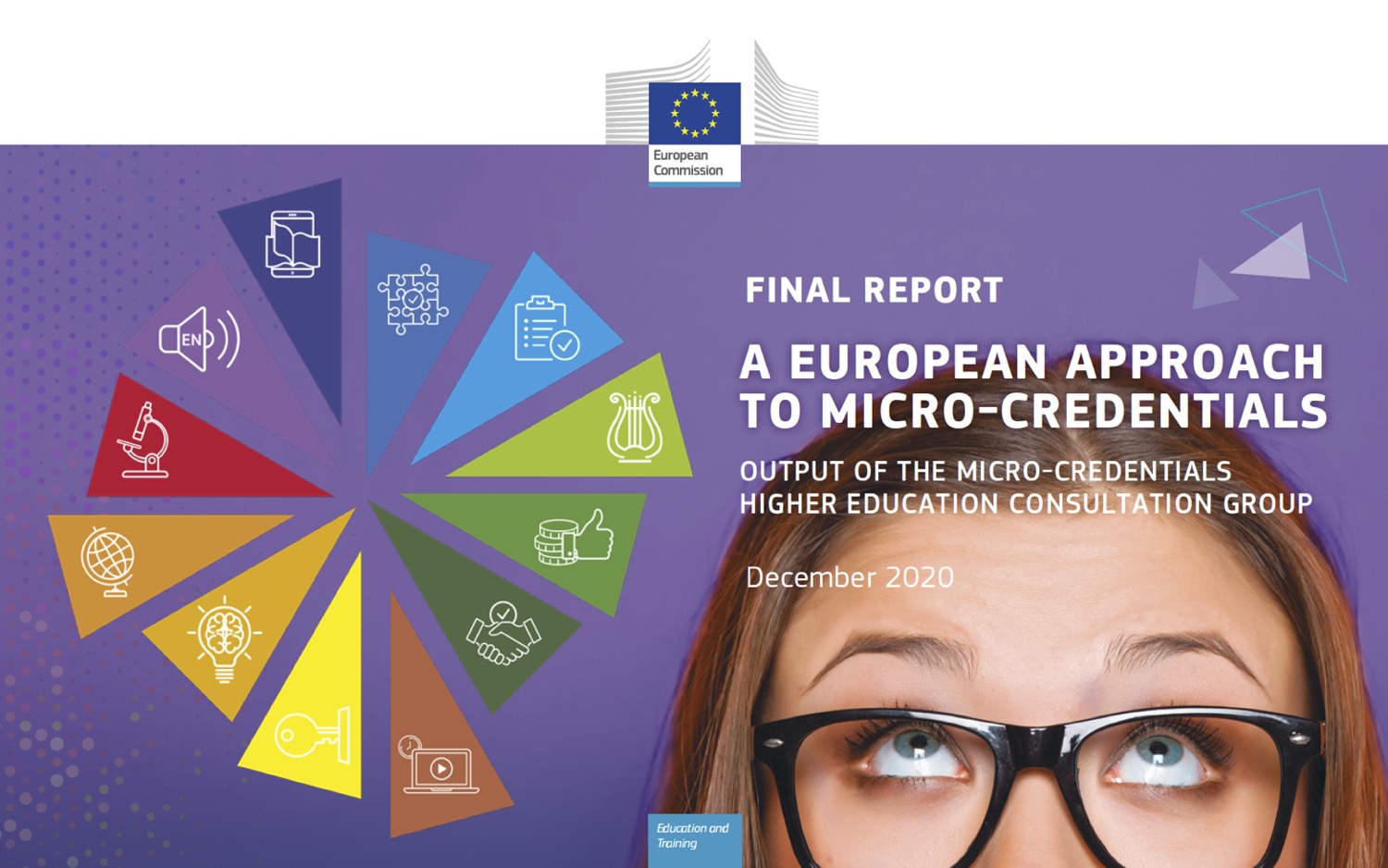
We will explore a number of the different micro-credentialing initiatives around the globe profiled in the Micro-Credential Observatory, including a recent ECIU white paper and the European Commission’s groundbreaking work in this area, and in doing so try to answer several key questions:
- What are micro-credentials?
- Why the growing focus on them?
- Are they just another passing educational fad?
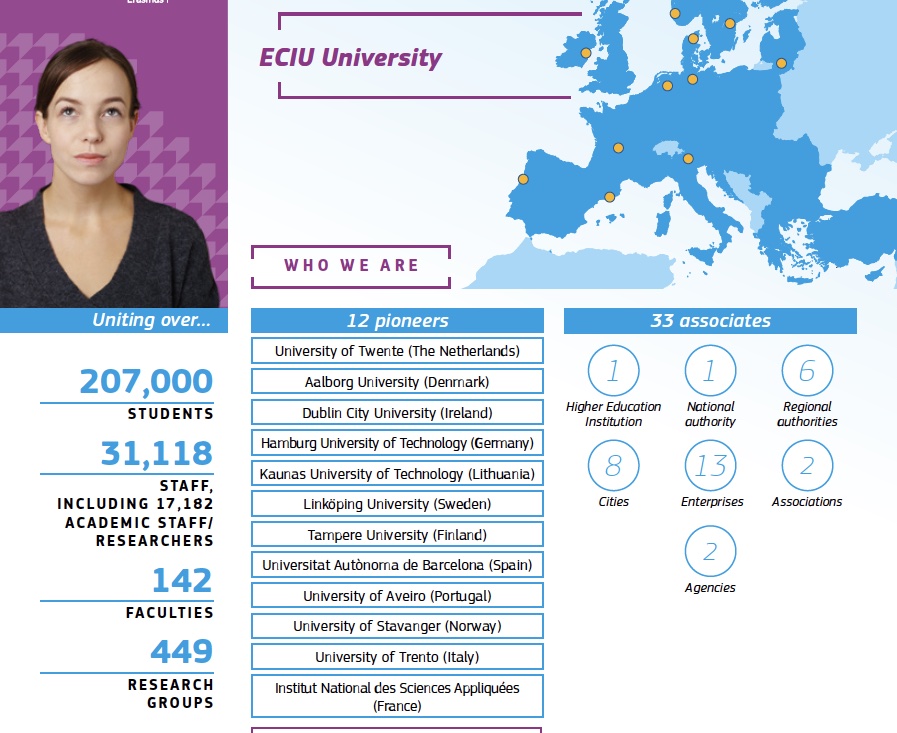
In Week 3, we explore how the future skills agenda and micro-credentialing movement may be able to support new authentic forms of pedagogy that help to develop more active citizens, lifelong learners, and innovative work-ready graduates. More specifically, we discuss the value and transformative potential of new approaches such as Sprints, Hackathons and Challenge-Based Learning (CBL) and how they can be intentionally designed to harness the pedagogical affordances of new digital technologies. We will share a number of case studies, including how CBL is being adopted by the new ECIU University as a “signature pedagogy” to support more impactful and real-life learning; and in doing so endeavour to answer a number of key questions:
- What are authentic pedagogies?
- What do we already know about learning?
- How will Higher Education 4.0 impact future pedagogy?
We have been told for over a decade that today’s universities and colleges are at risk of preparing a new generation of students for jobs that don’t yet exist, using old fashioned teaching methods, and out of date technologies.
This free online masterclass, supported by and developed under the umbrella of the new ECIU University initiative, gives you the opportunity to debunk, challenge and/or add your own perspective to some of the current debates about the future of Higher Education.
We hope to raise your critical awareness of major change forces influencing the future, and provide useful examples of how different institutions and/or organisations are responding to the new global Higher Education environment. Participants can engage in a number of ways. Some people may wish to work through each topic on their own at their own pace, or alternatively as part of a group of educators from their own institution. Keep in mind that FutureLearn is a social learning platform and so the masterclass is designed to promote your active participation.
Our NIDL team at Dublin City University (DCU) will be facilitating your learning over the 3-weeks but we don’t have all the answers. Accordingly, the masterclass endeavours to be highly interactive throughout each week as we “open the floor” to your contributions.
We hope you can carve out some time in your busy calendar in March to contribute to Higher Education 4.0 as we discuss some of these big issues. You can learn more about the topics we cover and register for the masterclass on the FutureLearn website. We hope to see many of you online!

 Digital Learning Dispatches